
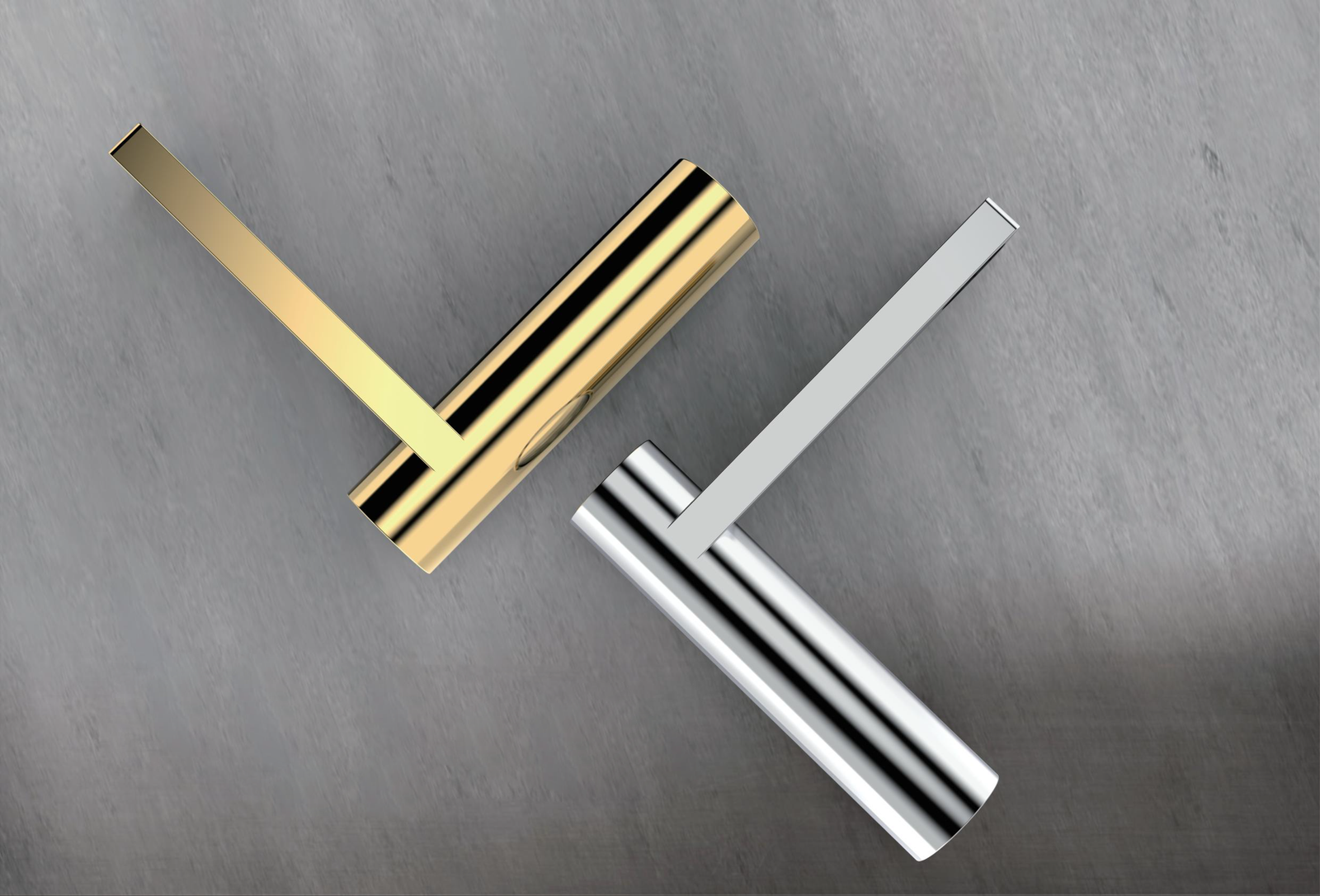
In the global faucet manufacturing industry, surface finishing is no longer just an aesthetic final touch—it is a critical driver of product longevity, brand reputation, and profit margins. For importers, wholesalers, project contractors, and faucet brands, the finishing process directly affects durability, production cost, delivery time, warranty claims, and customer satisfaction.
As consumer demands shift toward premium aesthetics like Brushed Gold, Matte Black, and Gunmetal, manufacturers must help buyers weigh the technical and financial trade-offs between these two dominant coating technologies. This guide provides a detailed comparative analysis of PVD and Electroplating across durability, cost, and lead times to help you make an informed sourcing decision.
1. Understanding the Technologies: How They Work
To evaluate performance, it helps to understand the fundamental engineering principles behind each process.
What Is Electroplating?
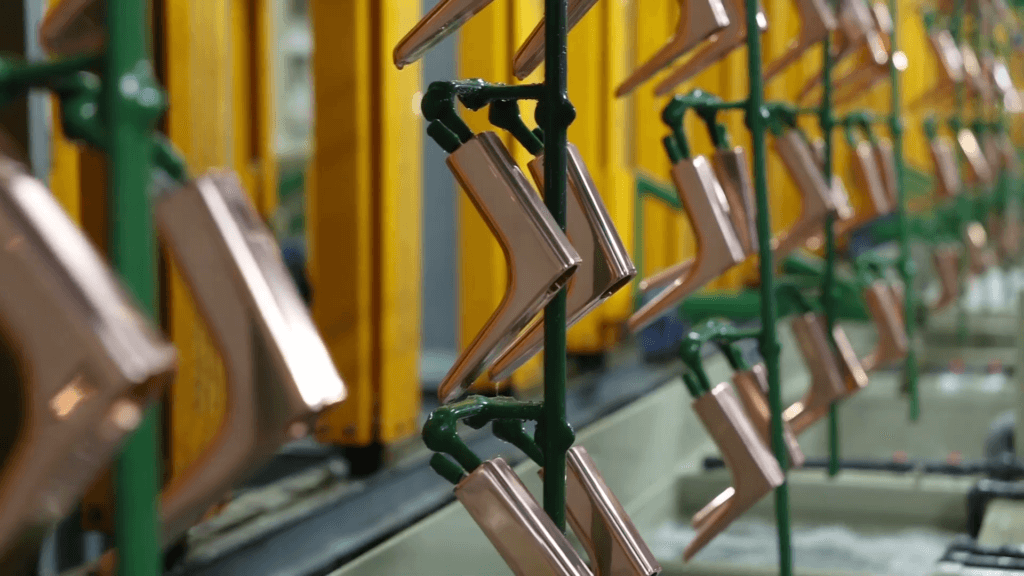
Electroplating is a finishing process that deposits a thin layer of metal onto a faucet surface through an electrochemical reaction. The faucet substrate (typically brass or zinc alloy) is submerged in an aqueous chemical bath containing dissolved metal ions (such as nickel or chromium). An electric current passes through the solution, causing the metal ions to reduce and deposit as a thin, solid metallic layer onto the faucet body.
Common Finishes: Chrome (Bright/Satin), Electroplated Nickel, Matte Black (via electro-deposited paint/coatings).
Key Characteristic: Creates a direct chemical bond with the substrate, forming a reflective, metallic shell.
PVD (Physical Vapor Deposition)
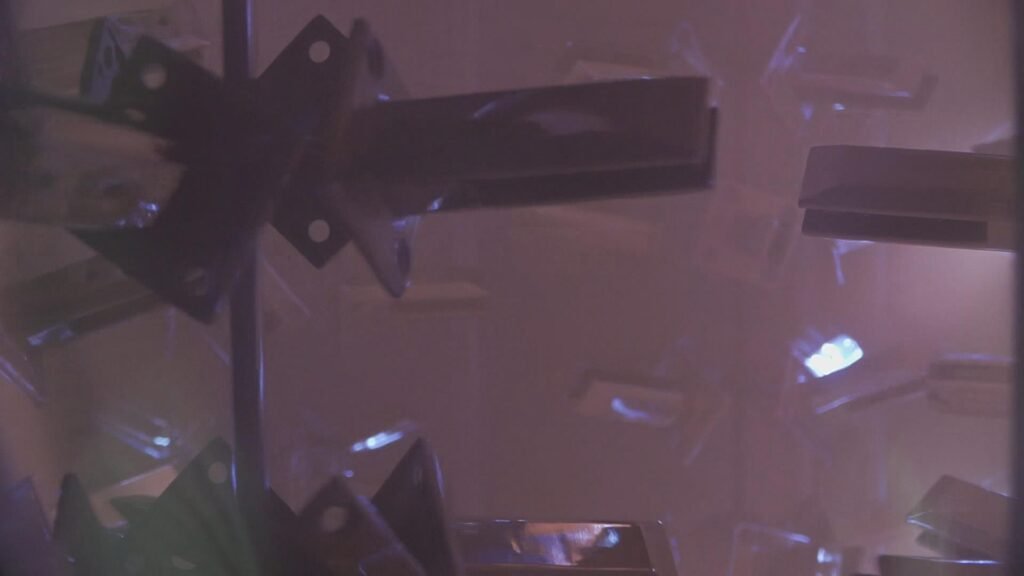
PVD is an advanced, environmentally friendly vacuum coating process. The finished brass or stainless steel faucet (often pre-plated with nickel/chrome) is placed inside a high-vacuum chamber. Target metals (such as Titanium, Zirconium, or Chromium) are vaporized using high-energy plasma, combined with reactive gases (like nitrogen or methane), and deposited molecule-by-molecule onto the faucet surface.
Common Finishes: Brushed Brass, Brushed Gold, Rose Gold, Gunmetal, Titanium Black, Champagne Bronze.
Key Characteristic: Forms an ultra-thin, atomic-level bond that merges with the underlying metal, resulting in superior surface hardness.
2. Durability & Performance Comparison
Durability directly impacts warranty claims, commercial suitability, and long-term end-user satisfaction.
| Performance Metric | Electroplating | PVD Coating |
| Surface Hardness (Vickers) | 500 – 800 HV | 1,500 – 3,000 HV |
| Corrosion Resistance (CASS Test) | 24 – 48 Hours | 96 – 200+ Hours |
| Scratch & Wear Resistance | Moderate | Exceptional |
| UV & Tarnish Resistance | Prone to oxidation over time | Virtually immune to UV & tarnish |
| Chemical Resistance | Sensitive to acidic cleaners | Highly resistant to harsh cleaners |
Scratch and Wear Resistance
PVD finishes achieve hardness levels up to 3,000 Vickers (HV)—significantly harder than hardened steel. This makes PVD virtually scratch-proof during daily use, handling, and installation. In contrast, electroplated finishes (typically 500–800 HV) are more susceptible to micro-scratches from abrasive cleaning pads or ring contact.
Corrosion & Salt Spray Performance
Standard electroplated chrome typically passes a 24- to 48-hour Copper-Accelerated Acetic Acid Salt Spray (CASS) test, which is sufficient for basic residential applications. PVD coatings easily exceed 96 to 200+ hours in CASS testing. Because PVD layers are dense and non-porous, they prevent moisture and corrosive agents from penetrating down to the brass base, making PVD ideal for coastal regions, high-humidity environments, and heavy commercial use.
Resistance to Cleaning Agents & UV
A common issue with traditional electroplated matte finishes or delicate tones is degradation caused by harsh household chemicals (e.g., lime-scale removers, bleach). PVD coatings are chemically inert; they do not react with standard bathroom cleaners and will not fade, yellow, or tarnish when exposed to direct sunlight or UV rays over decades.
3. Cost Breakdown: Upfront Investment vs. Long-Term Value
When evaluating unit pricing, understanding the cost drivers behind both manufacturing methods is essential for accurate budget forecasting.
Capital & Operational Costs
Electroplating: Requires relatively low initial equipment expenditure per unit. Chemical bath maintenance and liquid waste management represent the primary ongoing operational costs.
PVD Coating: Involves significant capital investment in vacuum chambers, plasma generators, and computerized target controls. Additionally, PVD requires meticulous pre-cleaning and pre-polishing steps, driving up labor and processing expenses.
Unit Price Premium
On average, a PVD-finished faucet carries a 20% to 40% higher unit cost compared to a standard electroplated chrome unit.
Scrap Rates and Quality Control
PVD is an unforgiving process. Any microscopic oil, dust, or handling defect present on the substrate before entering the vacuum chamber will be amplified under the atomic coating. Consequently, factory yield rates for PVD require strict dust-free cleanrooms and rigorous multi-stage quality checks, which contribute to the final unit price.
Total Value Proposition for B2B Buyers
Despite higher unit costs, PVD often yields better ROI for premium retail brands, hotel projects, and high-end residential developments. The reduced risk of warranty claims, return requests, and finish degradation allows brands to justify higher retail price points and build long-term brand equity.
4. Production Lead Times & Supply Chain Factors
Production schedules are crucial when coordinating bulk import shipments or project installation deadlines.
Process Complexity and Batch Sizes
Electroplating Cycle: High-volume liquid baths allow for continuous processing. Once the electroplating line is calibrated, thousands of faucet bodies and components can be plated per day, resulting in a standard production lead time of 25 to 35 days.
PVD Cycle: PVD is a batch process conducted inside a sealed vacuum chamber. Each cycle takes several hours to achieve the required vacuum, heat up, deposit layers, and cool down. Because chamber capacity is limited per run, high-volume orders require multiple scheduled batches.
Substrate Preparation Impact
PVD is typically applied over an electroplated base layer (such as nickel/chrome) to ensure optimal adhesion and corrosion protection. This means a PVD faucet undergoes a two-step surface treatment:
Base electroplating layer application.
High-vacuum PVD target deposition.
6. Summary Comparison Matrix
| Feature | Electroplating | PVD (Physical Vapor Deposition) |
| Primary Finishes | Bright Chrome, Satin Nickel, Matte Black | Brushed Gold, Rose Gold, Gunmetal, Titanium Black |
| Surface Hardness | Standard (500–800 HV) | Extreme (1,500–3,000 HV) |
| Scratch Resistance | Moderate | Outstanding |
| Corrosion Resistance | 24–48 Hours CASS | 96–200+ Hours CASS |
| Unit Production Cost | Economical / Baseline | 20% – 40% Premium |
| Manufacturing Lead Time | 25 – 35 Days | 35 – 45 Days |
| Environmental Impact | Requires chemical wastewater treatment | Eco-friendly / Zero toxic discharge |
Frequently Asked Questions
Q1: Is PVD better than Electroplating?
Yes. PVD generally offers better scratch resistance, corrosion resistance, color stability, and overall durability. However, it also comes with higher manufacturing costs.
Q2: Will a PVD coating peel, flake, or chip off over time?
Properly applied PVD coatings are highly resistant to peeling because they form a strong molecular bond with the surface.
Q3: Which finish is best for hard water and humid marine environments?
Brushed PVD Gold and Brushed Nickel are excellent choices for coastal areas, offering superior corrosion resistance and a finish that hides fingerprints and hard water marks better than polished surfaces.
Q4: Why are PVD faucets more expensive?
PVD requires advanced vacuum equipment, longer processing times, and greater energy consumption, resulting in higher production costs.
Q5: Is chrome plating outdated?
Not at all. Chrome remains one of the most popular faucet finishes worldwide due to its affordability, bright appearance, and reliable performance.
Q6: Which finish lasts longer?
Under normal household use, a high-quality PVD finish typically lasts longer than traditional electroplating, especially in demanding environments.
Q7: How does PVD coating affect order production lead times?
Because PVD coating requires a pre-treatment electroplated underlayer, it typically takes an additional 7-15 production days. The total lead time for bulk orders is usually 35-45 days.